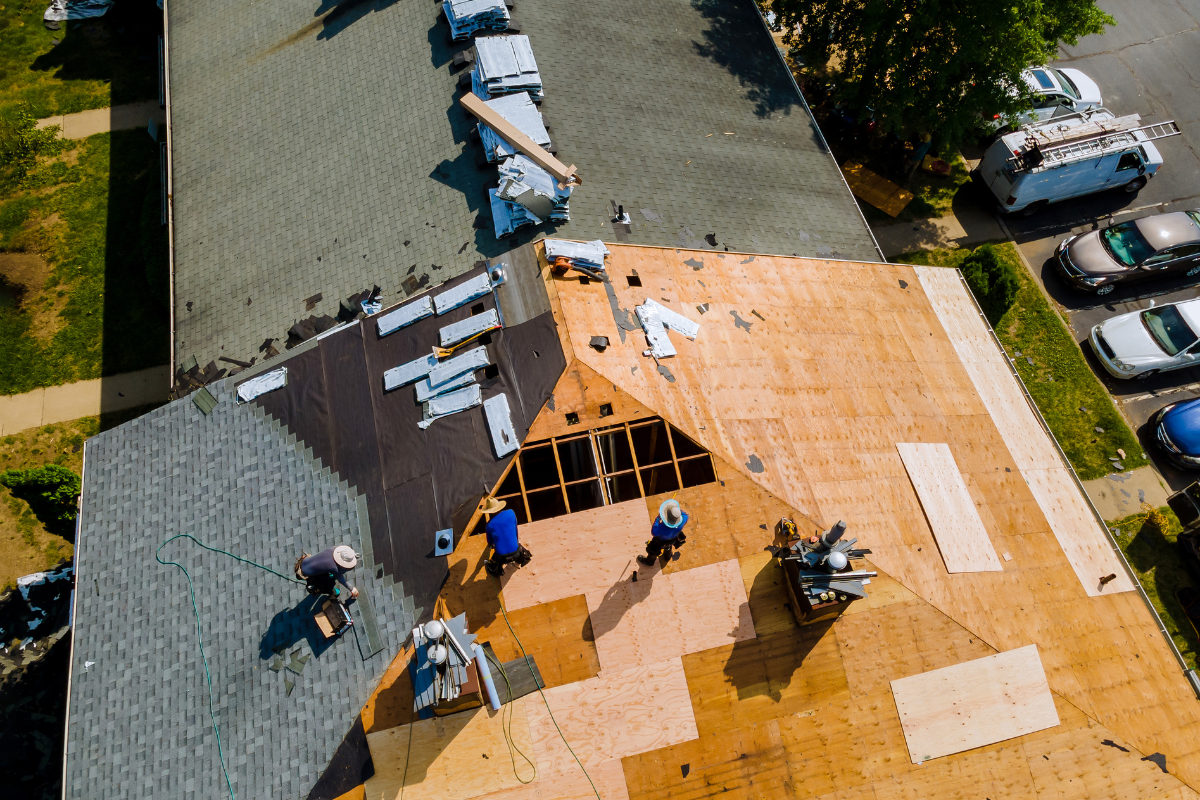
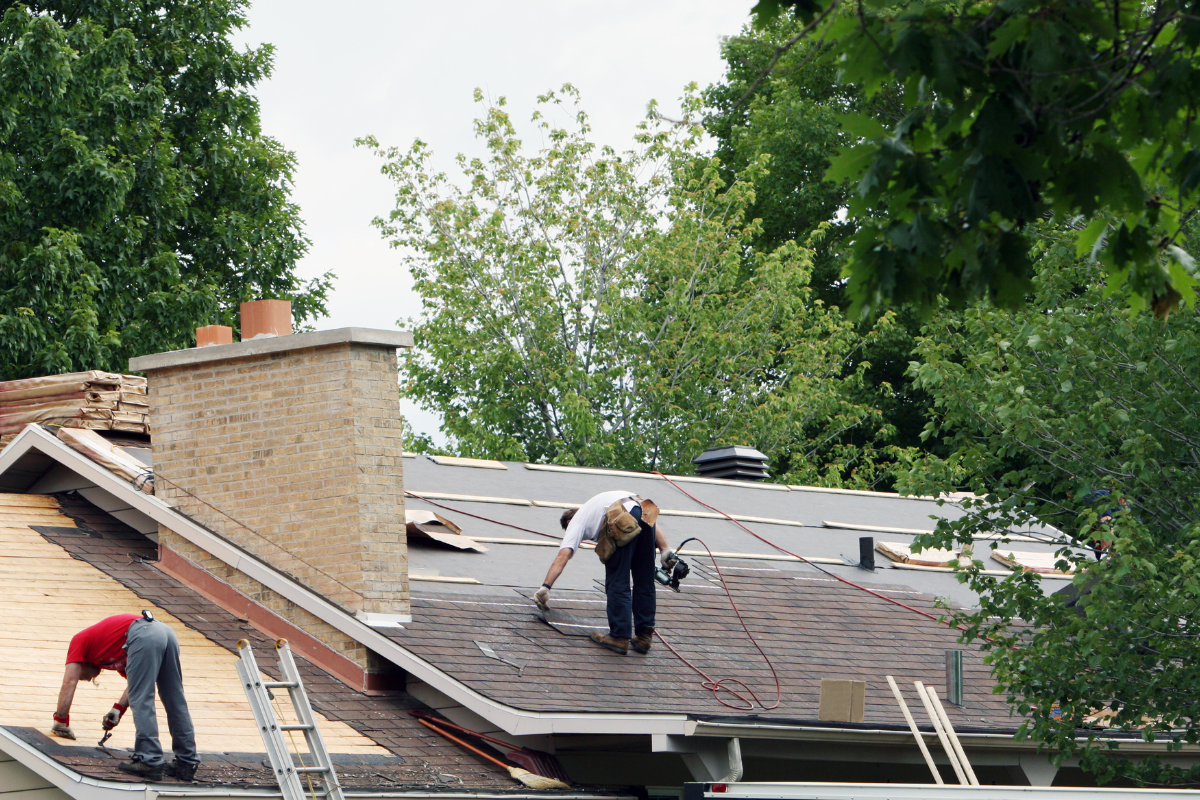
Chicago roofs live a hard life. Lake effect snow, lake effect wind, and the kind of freeze-thaw whiplash that takes a brand-new shingle and ages it five years by March. Add summer sun that bakes the south and west slopes for hours, and you get a predictable trio of problems: sagging, curling, and cracked shingles. Knowing how to read these signs, and when to call for roof repair Chicago homeowners can trust, is the difference between a small job and a tear-off.
I have walked more rooftops in January than my toes care to remember. The patterns repeat, season after season, but the details matter. A sag on a bungalow’s north slope tells a different story than curl on a low-slope porch roof. The fix follows the diagnosis, not the other way around.
Why shingles fail faster here
Shingle manufacturers test products in labs, but your roof is a laboratory with real weather. Chicago’s daily temperature swings in shoulder seasons stretch asphalt binders and then shock them back in place when the sun disappears behind cloud or sunset. That cycling dries out asphalt and makes shingles brittle over time. If attic ventilation is weak, heat builds under the sheathing, accelerating oil loss in the shingles even in winter. Moisture rising from living spaces condenses on cold decking, inviting mold and delamination.
Wind is another player. Chicago gusts rarely come straight down the block; they swirl around gables and dormers. That turbulence pries at the low ends of shingles and finds the unsealed tabs. Once the adhesive strip fails on a few shingles, the wind gets a fingerhold and the lifting spreads.
Roofing services in Chicago also contend with salt carried off the lake, which lightly abrades granules. Granule loss sounds cosmetic, but those ceramic bits shield asphalt from UV. Lose enough granules and the asphalt underneath cooks, dries, and cracks.
Curling shingles: heat, age, and ventilation
Curling is easy to spot and easy to misread. Edges lift, corners turn up like a paper plate in a breeze, and tabs look like potato chips. Homeowners often assume hail or https://keeganfsxp654.cavandoragh.org/roofing-services-chicago-free-estimates-and-inspections wind, but the root drivers are age, heat, and poor ventilation, sometimes compounded by an aggressive roof-over.
On steep slopes with dark shingles, attic temperatures can exceed 140 degrees in July. Without balanced intake at the eaves and exhaust at the ridge, that heat bakes the underside of the sheathing and the shingles on top. Staples or nails that missed the double lamination on architectural shingles allow edges to move. If the shingles were installed over an existing layer to save money, the top layer never lies truly flat, which encourages curl years earlier than normal.
Not all curling demands immediate replacement. When the roof is younger than 10 to 12 years and curling appears in limited areas, you can often stabilize it with spot repairs, sealant under tabs, and, most importantly, improvements to attic ventilation. If the shingles are in their late teens and curl is widespread, you are chasing time. The adhesive strips no longer engage consistently, water can run back under lifted edges, and wind-driven rain finds its path.
I have corrected early-season curling on a Bucktown two-flat by cutting in a continuous soffit intake, adding a ridge vent, and selectively replacing a few squares on the hottest slope. The roof got another five years with modest cost. Trying the same on a 20-year shingle with heavy granule loss would have been lipstick on a pig.
Cracked shingles: stress lines that tell a story
Cracks telegraph the forces at play. Vertical cracks often align with the slots in three-tab shingles and indicate brittleness from age or thermal cycling. Diagonal cracks that run across multiple tabs suggest mechanical stress, such as consistent wind uplift. Spiderweb cracks in the surface coating point to oxidation and loss of flexibility.
Chicago’s winter sun can feel weak, but it still warms a cold roof quickly when it breaks through clouds. That rapid warmup is hard on aged asphalt. I often see hairline cracks appear after a week of deep cold followed by a sunny day, especially on south-facing slopes. If you catch them early, you can seal individual cracks with high-grade roofing cement and a thin cap of shingle granules to protect the repair. This is a spot fix, not a cure. Once cracking starts to spread, the roof is near the end of its service life.
Hail complicates the picture. True hail strikes bruise the mat under the granules and leave soft spots that feel like a pea under the shingle surface. Over months those bruises shed granules and become open craters. On a Logan Square cottage, a storm dropped half-inch hail that scuffed granules but did not bruise the mat. The insurance adjuster wanted to replace the whole slope. A careful inspection showed abrasion only, no bruising, so honest roof maintenance in Chicago meant cleaning, sealing a few tabs, and moving on. The roof did not need replacement that year.
Sagging: when the problem is under the shingles
Sagging draws the eye because the entire plane looks tired. You can’t fix structural sagging with new shingles. The first job is to figure out if the sag sits in the rafters, the decking, or the support lines.
Older Chicago houses often have 1x plank sheathing with gaps between boards. Over time, moisture and heat can cup individual boards, especially above bathrooms and kitchens where venting once ran into the attic. Shingles telegraph that unevenness as dips between rafters. Correcting this might be as simple as replacing a few planks, laying 3/8 or 1/2 inch OSB or plywood overlay, and re-roofing the affected section.
A deeper, smoother sag running across multiple rafters points to undersized members, long spans without collar ties, or broken rafters. Snow loads add up, especially in winters where thaw never fully dries the roof before the next snowfall. Ice dams at the eaves keep meltwater on the roof, which can soak and weaken decking along the lower three or four feet. That creates the classic dip just above the gutter line. When I see step cracks in the plaster below and a sag in the roof above, I advise pausing any shingle work until a carpenter sister-frames the weak members and we replace compromised sheathing.
There are also sneaky sags caused by trapped moisture. A low-slope rear addition, common across the city, often relies on peel-and-stick underlayment beneath shingles that aren’t designed for pitches under 4:12. Water finds its way through capillaries, saturates the decking, and the roof surface dips slightly over a season. The fix is not more shingles. The fix is switching to a membrane suitable for low slope, correcting pitch if possible, and ensuring proper edge metal so water cannot back up.
When a leak shows up in the living room
Residents usually meet a roofing contractor the morning after a stain blooms on a ceiling. Actual drips may not be directly below the entry point. Water loves to travel along rafters, across the top of plaster, and down to a convenient light fixture. Chicago’s wind-driven rain makes pinpointing leaks trickier, because water can jump over flashing and run under shingles at ridges or valleys.
The first suspects are flashing details. Chimneys settle slightly differently than the roof plane, so mortar joints open. Counterflashing pulls away or rusts through. Skylights, especially older units, have weep holes that clog, and their curb flashing fails under ice load. Plumbing vent boots crack where the rubber meets the aluminum. These are bread-and-butter roof leak repair in Chicago, quick to diagnose by someone with a practiced eye, and inexpensive compared to tearing into shingles without a plan.
In the short term, emergency service matters. A proper temporary patch uses peel-and-stick membrane under a shingle patch that tucks into the existing course, not just a smear of mastic. On a bronze turret in Hyde Park, we used a flexible copper tape and a custom-bent counterflashing to stop water before a full seasonal repair. The patch outlived the fear of the next rainstorm and bought time for a better weather window.
The case for maintenance in a city of seasons
Roof maintenance Chicago homeowners admire is proactive and boring. It looks like a yearly inspection and a short punch list instead of a crisis. The best season is late fall, once leaves are down and before the first snow. You can see flashing lines, note granule loss in gutters, and spot lifted tabs. Spring checkups catch winter damage: torn shingles near ridges from wind storms, backed-out nails that telegraph as small bumps, and revealed nail heads along flashing where sealant shrank.
Most homes deserve a once-a-year roof and attic walkthrough. You inspect the roof surface from the ground with binoculars, then from the roof where safe access exists. You lift a few tabs gently to check seal strips. You check ridge caps for cracking, because caps age faster than field shingles. Inside, you look at the underside of the sheathing for darkening around nail tips, a sign of high attic humidity. You confirm that bath and kitchen fans exit outside, not into the attic. Small tasks like clearing a ridge vent choked with windblown insulation make a larger difference than they seem.
Homeowners often ask for a maintenance package from roofing services in Chicago that includes gutter cleaning. That pairing makes sense. Clogged gutters create standing water at the eaves and ice dams in winter. Water backs up under the first course, saturates the sheathing, and rots the fascia. A two-story frame in Portage Park had immaculate shingles and rotted eaves because the gutters never drained. The cure was simple: larger downspouts, leaf protection that actually matched the tree species on the block, and more frequent cleanings during cottonwood season.
Repair or replace: an honest decision
No one wants to replace a roof early, and no one wants to keep repairing a roof that will not pull its weight through another winter. The decision rests on age, pattern of failure, and structure.
If your shingles are less than halfway through their rated life and the issues are localized, targeted roof repair Chicago professionals perform can be the smart choice. Replace the worst squares, redo flashing where needed, improve ventilation, and reset the clock. If you have curling on every slope, spiderweb cracking across wide areas, or structural sagging that demands deck work, you are paying twice by delaying.
Material choice matters in a retrofit. Architectural asphalt shingles have replaced three-tab shingles across most neighborhoods because they resist wind better and hide minor deck imperfections. Heavier does not always mean better, though. Some thick shingles trap heat in Chicago summers and demand excellent ventilation underneath. Consider shingles with enhanced ad